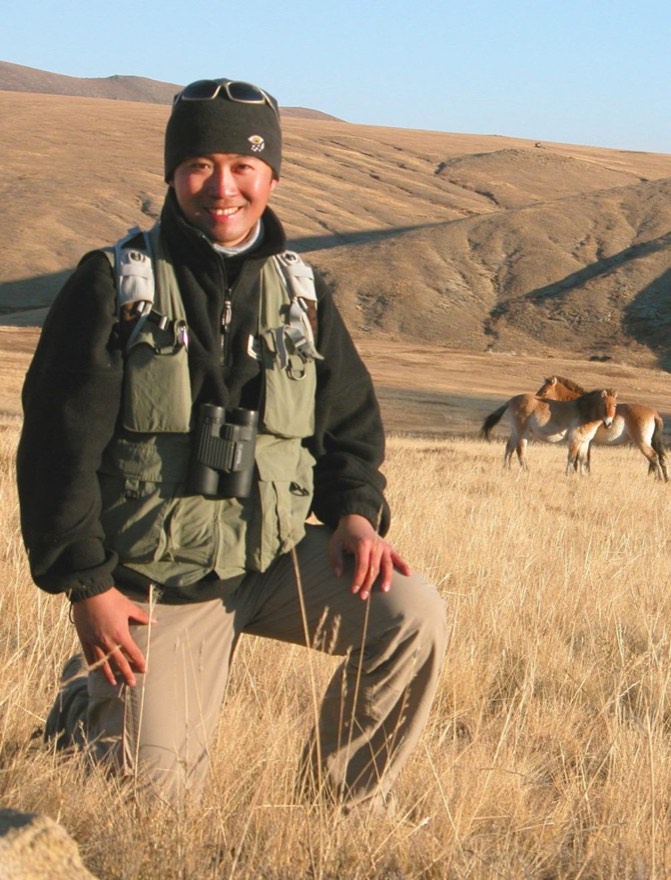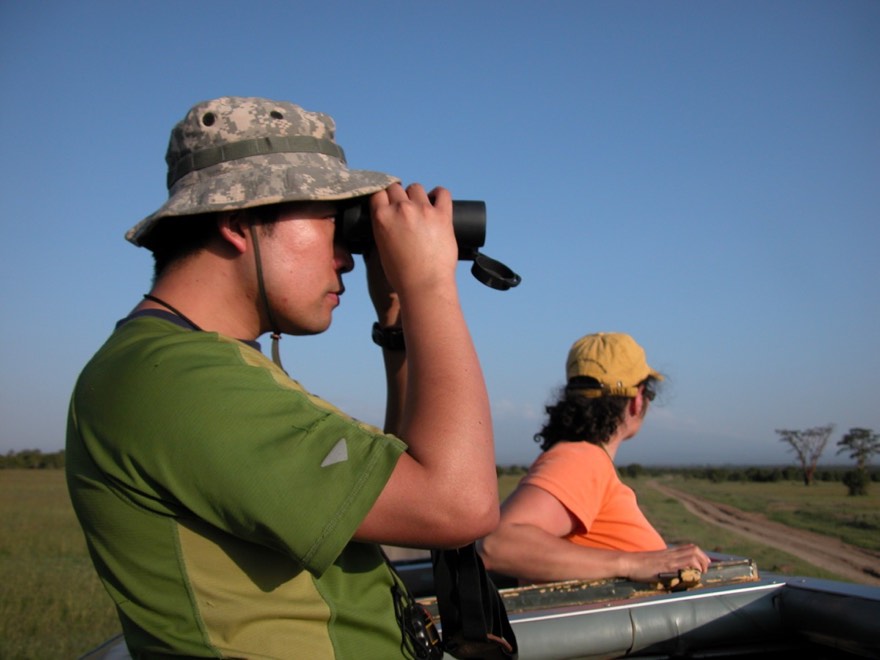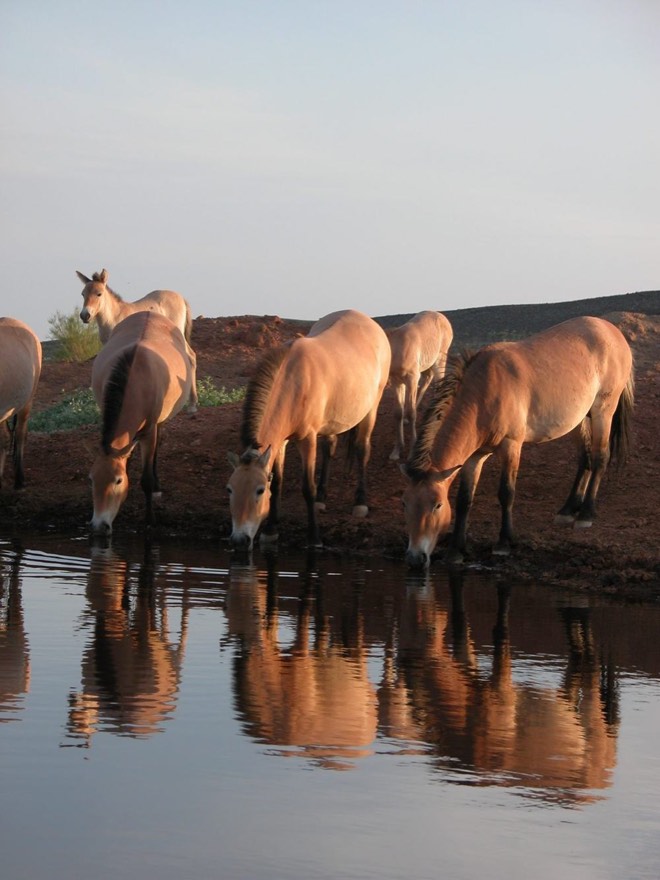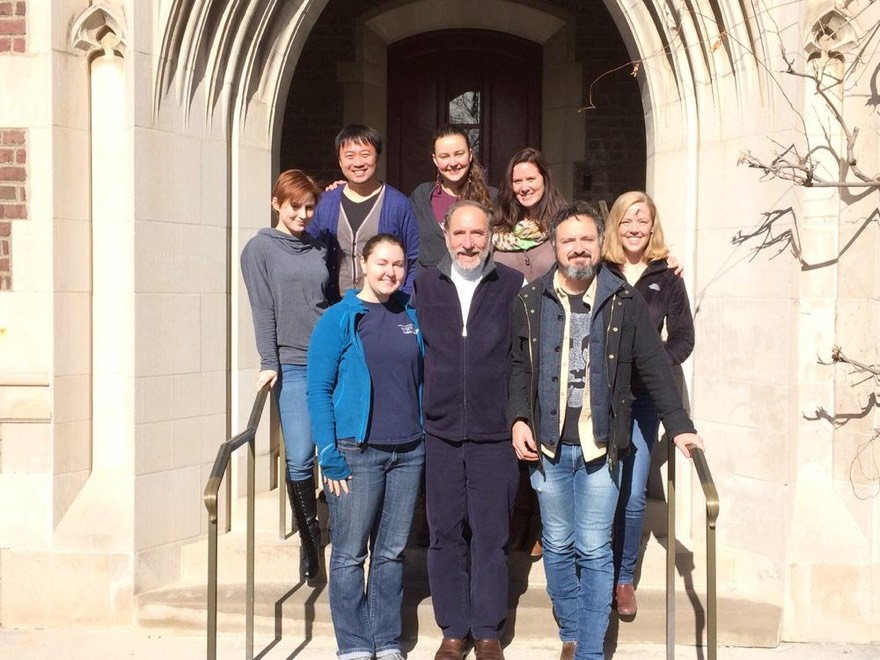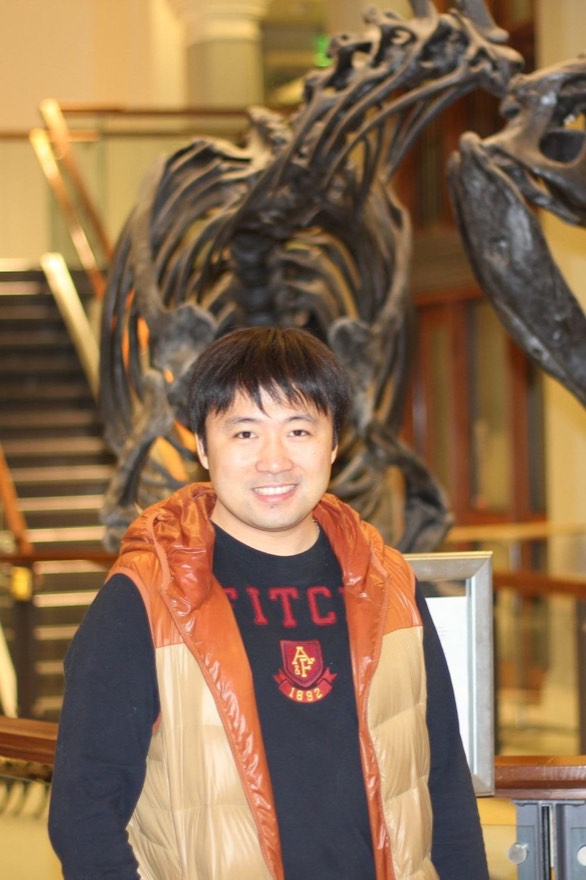
Qing Cao with a Przewalski's horse Qing Cao

Species Coexistence • Human-Dominated Landscapes • Conservation Genomics

Conservation research on coexistence, landscape pressure, and genomic resilience.

I am a conservation biologist working across Asia, North America, and Africa, with a long-term focus on Przewalski's horse, Asiatic wild ass, and other large mammals in dryland systems. My research combines field ecology, behavioral ecology, remote sensing, GIS, and conservation genomics to study habitat use, resource competition, coexistence, and population management. I received my PhD from Princeton University in 2018 and continue to work across research, teaching, and applied conservation.

About

Field ecology, behavior, and genetics

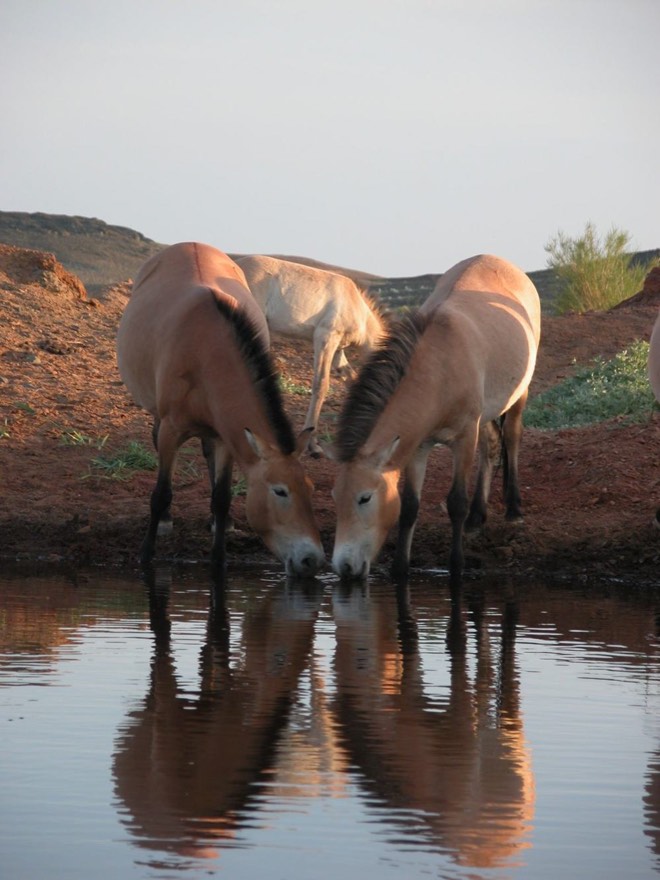
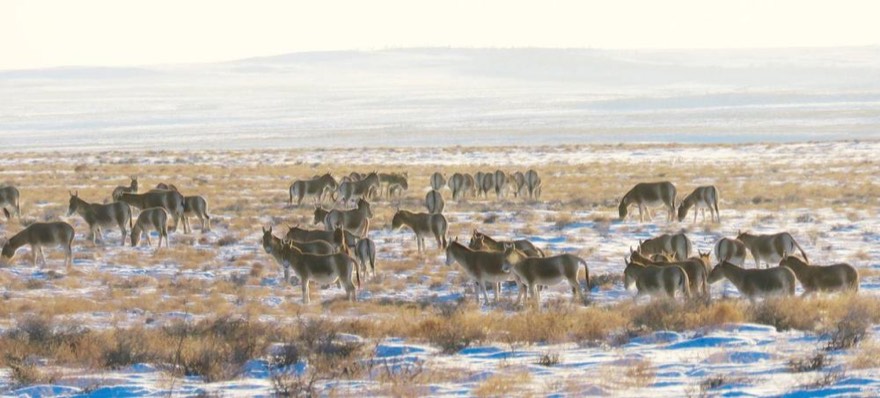
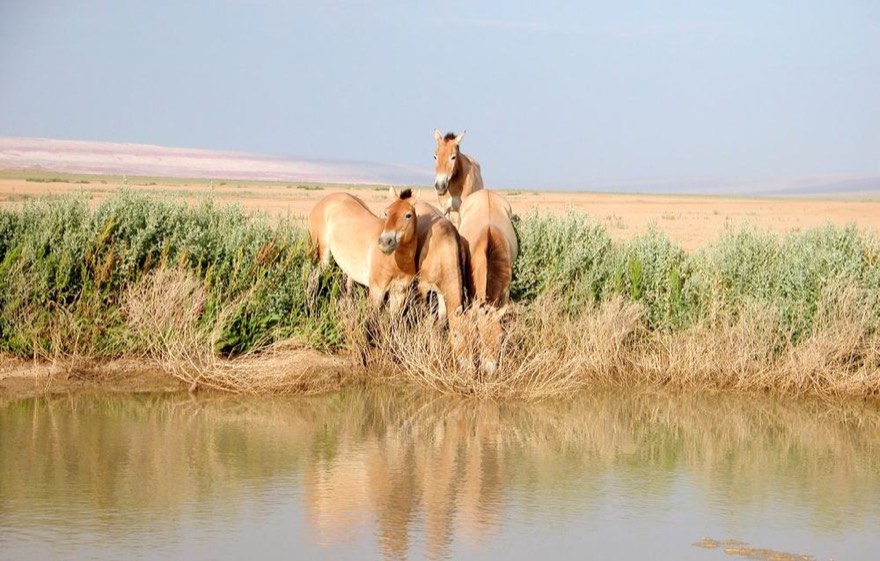
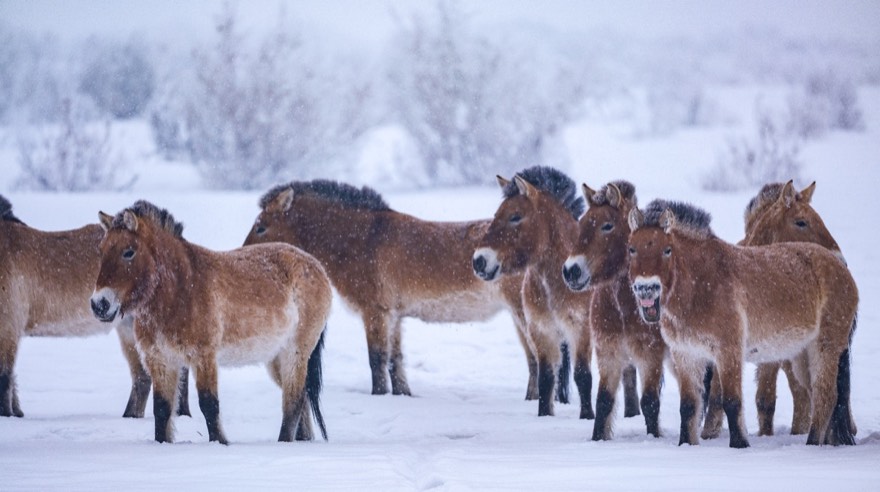
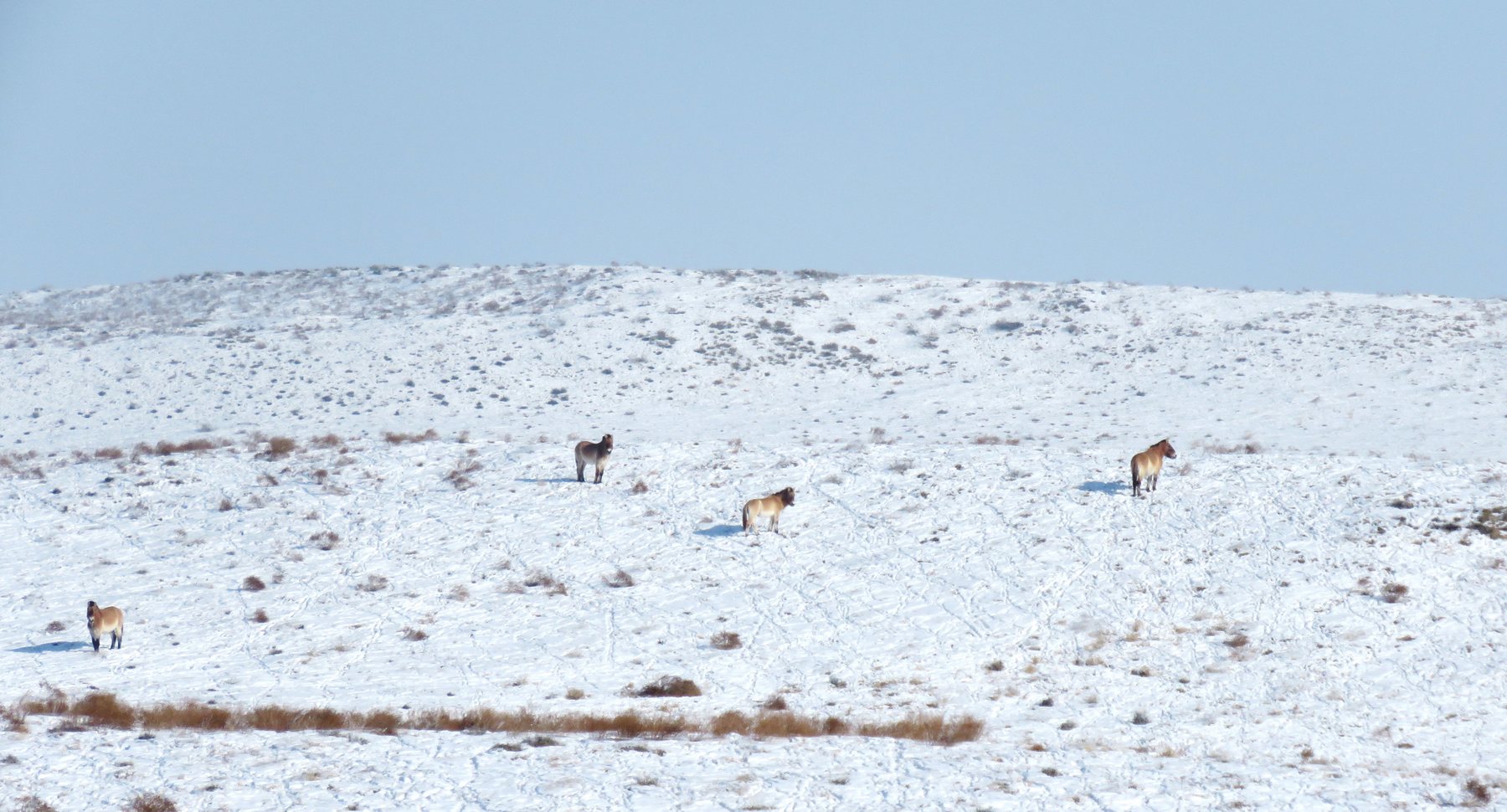
Free-ranging Przewalski's horses in winter landscape

I study how animals persist under ecological pressure in landscapes shaped by water limitation, human infrastructure, seasonal movement, and restoration or reintroduction history.

Rather than treating behavior, habitat, and genetics as separate topics, I try to connect them to explain persistence, coexistence, and conservation outcomes across time scales.
My current work spans species interactions in arid systems, conservation in pastoral and infrastructure-influenced landscapes, and genomic patterns relevant to breeding history, inbreeding, and reintroduction management.

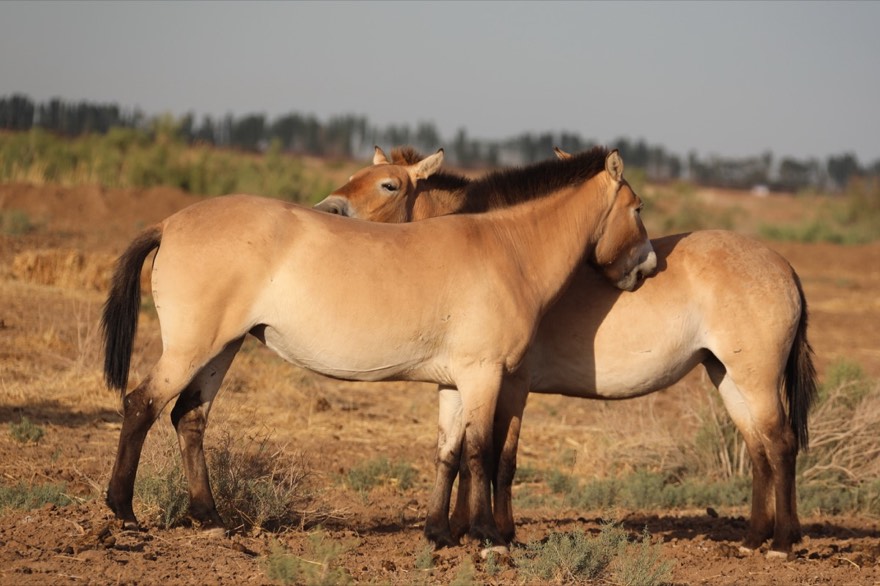
The long-term conservation of Przewalski's horse remains a central anchor for this broader research program.

Research Themes

Current research directions

Coexistence research diagram

Species coexistence

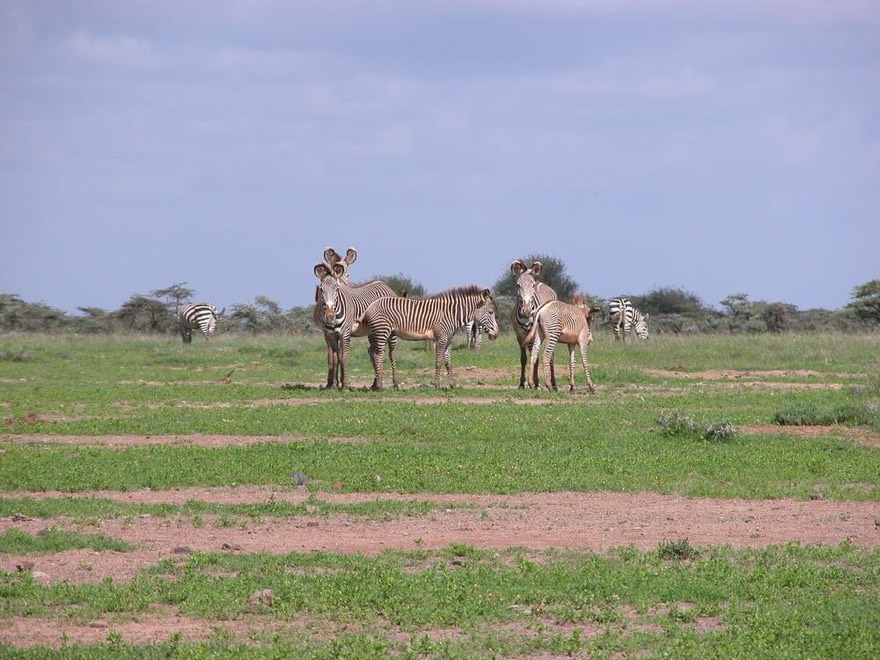
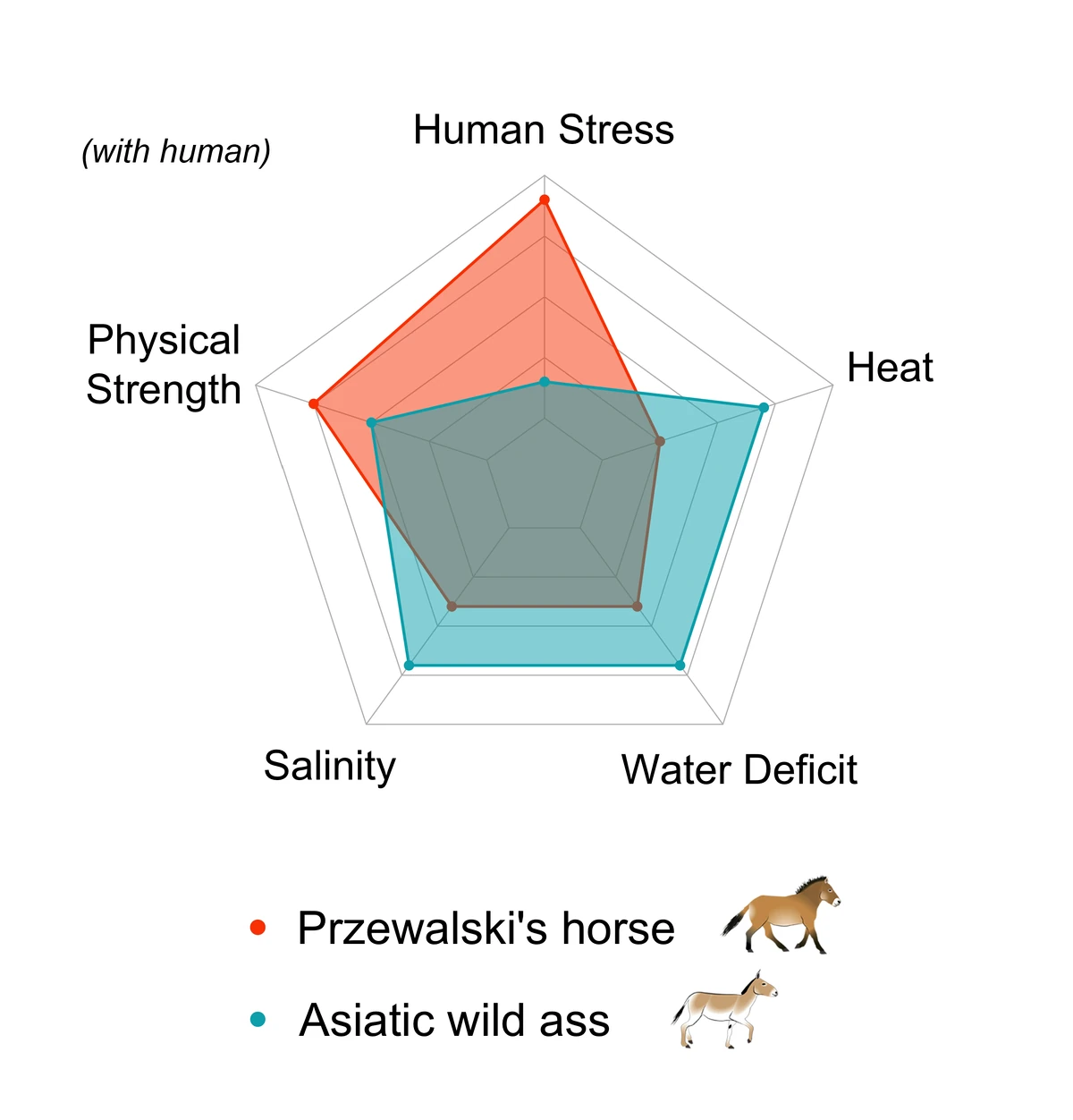
This research examines how related species share water, forage, and space under ecological stress, and how differences in behavior and risk response can support coexistence rather than exclusion.

Transhumant pastoral landscape diagram

Human-dominated landscapes

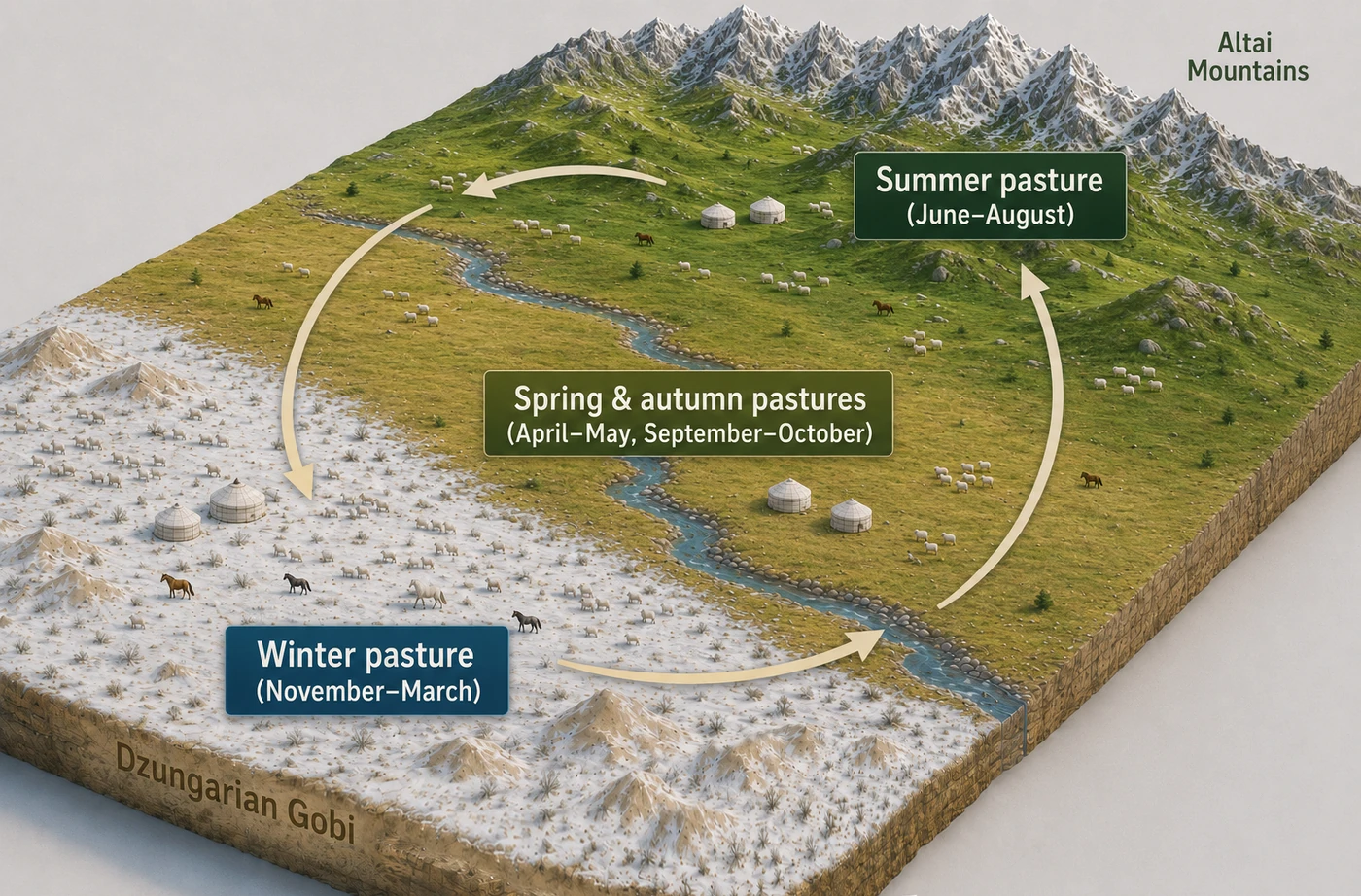
This theme addresses how infrastructure, settlements, seasonal pastoral movement, and restoration shape conservation outcomes, and how wildlife and human land use interact in real management settings.

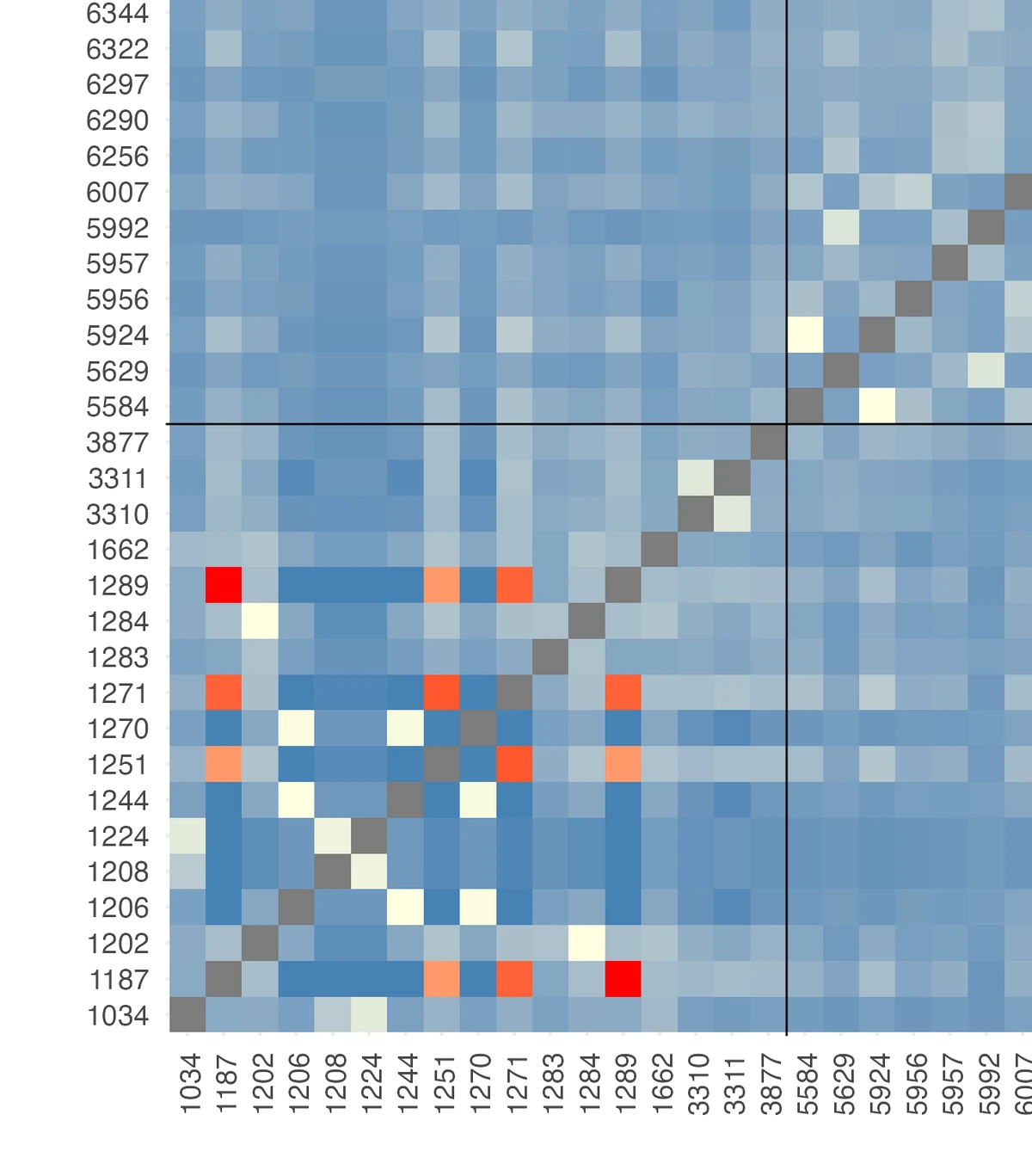
Conservation genomics detail view

Conservation genomics

Genomic and pedigree-based analyses help clarify inbreeding, relatedness, breeding history, and the long-term management implications of captive and reintroduced populations.

Field Perspective

Landscapes, communities, and long-term observation

Human-nature dynamics

Conservation is shaped by species, space, infrastructure, and people

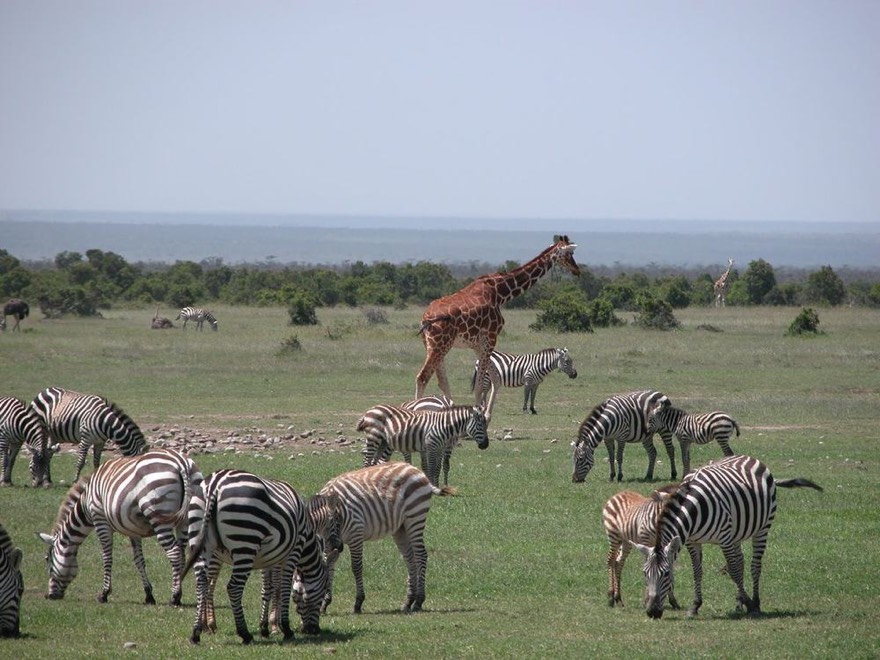
Field research in drylands and steppe systems connects species interactions with terrain, climate stress, seasonal movement, and human land use.

That perspective is especially important for understanding coexistence in real conservation settings, where wildlife responses are often mediated by roads, water points, settlements, and pastoral activity.

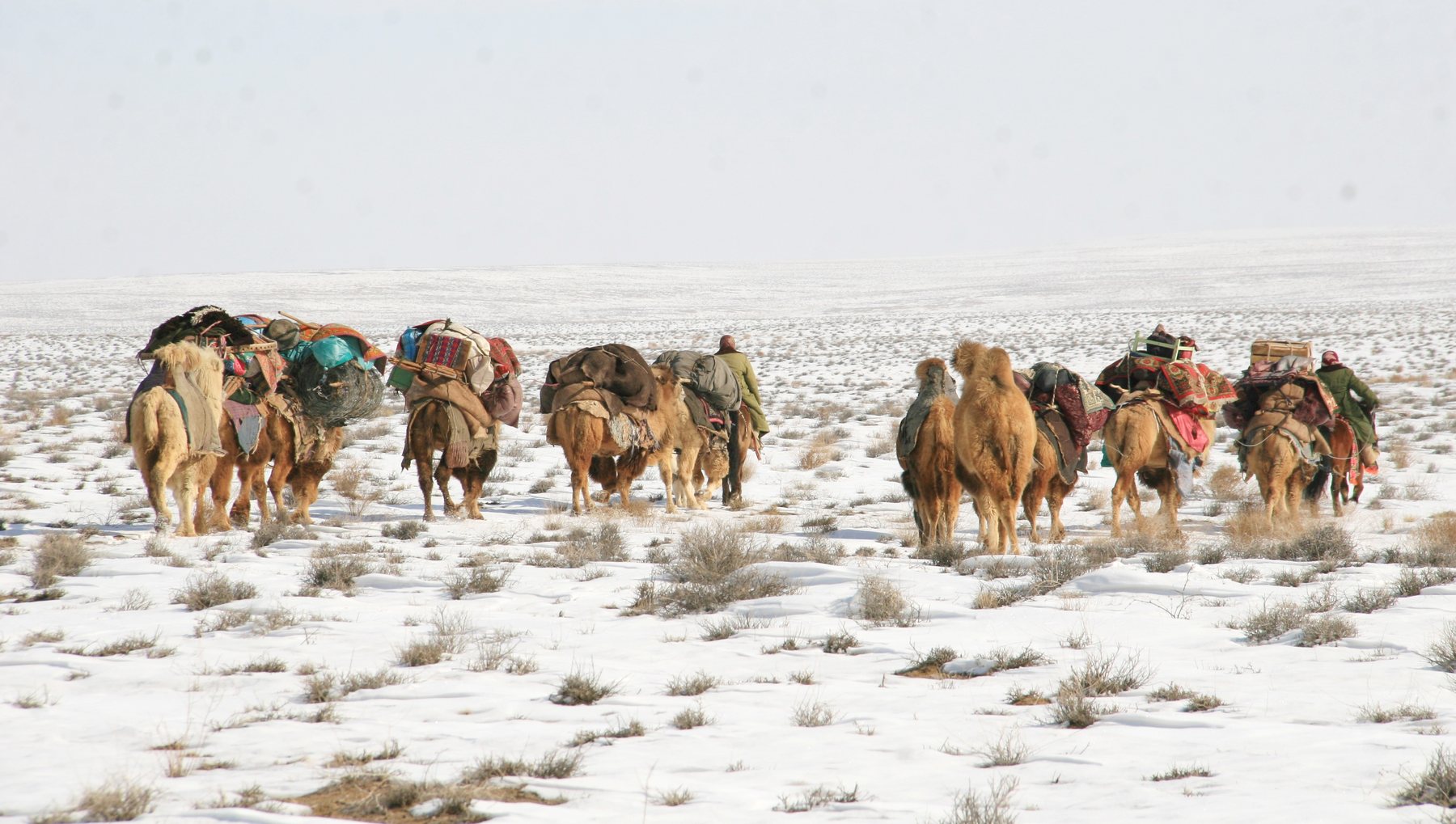
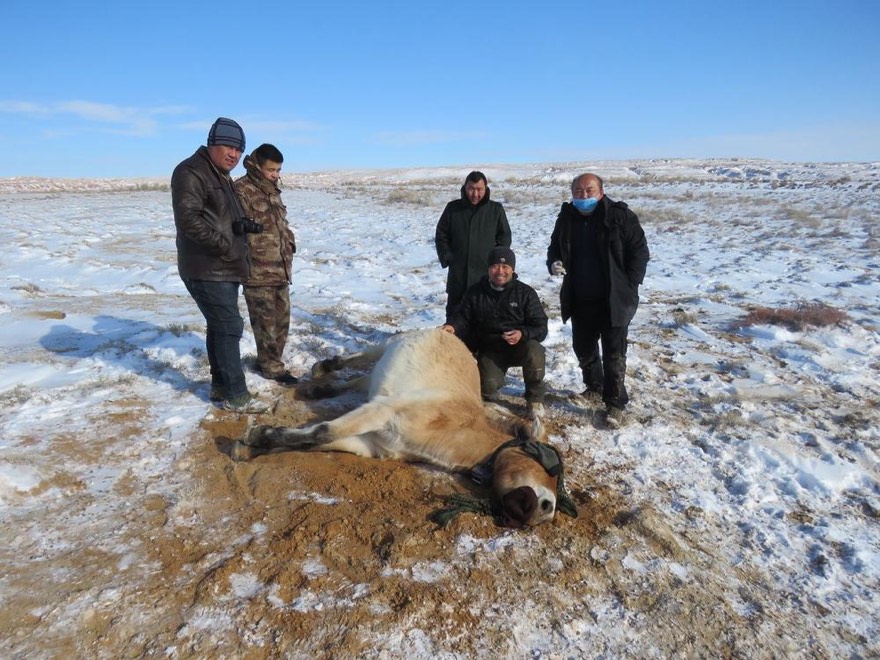
Local Kazakh movement through winter landscape in Kalamaili

Selected Publications

Recent and representative work

2026

Forty years of captive breeding in Przewalski's horse: pedigree-based insights into population growth, sex ratio, and inbreeding

QL Cao, YJ Zhang, YB Zhang, Y Luo, L Chen, ZS Wang, J Simek, et al. Wildlife Biology, e01634, 2026. Cover article. PDF

2025

Coexistence between Przewalski's horse and Asiatic wild ass in the desert: The importance of people

QL Cao, Y Zhang, M Songer, P Leimgruber, D Hu, J Li, C Wang, et al. Journal of Applied Ecology 62 (5), 1078-1090, 2025. PDF

Winner of the British Ecological Society's Southwood Prize, recognizing the best paper in Journal of Applied Ecology by an early career author.

2023

Equid adaptations to cold environments

QL Cao, BS Pukazhenthi, P Bapodra, S Lowe, YV Bhatnagar. In HHT Prins, IJ Gordon, editors. The Equids: A Suite of Splendid Species, 209-246. Springer International Publishing, 2023. PDF

2017

Food patch particularity and forging strategy of reintroduced Przewalski's horse in North Xinjiang, China

Z Sen, C Qing, A Keremu, L Shanhui, Z Yongjun, H Defu. Turkish Journal of Zoology 41 (5), 924-930, 2017.

2016

Equids and ecological niches: behavioral and life history variations on a common theme

DI Rubenstein, Q Cao, J Chiu. In JI Ransom, P Kaczensky, editors. Wild Equids: Ecology, Management, and Conservation, 58-68. Johns Hopkins University Press, Baltimore, Maryland, USA, 2016.

2016

Habitat and diet of equids

KA Schoenecker, SRB King, MK Nordquist, D Nandintsetseg, QL Cao. In JI Ransom, P Kaczensky, editors. Wild Equids: Ecology, Management, and Conservation, 41-57. Johns Hopkins University Press, Baltimore, Maryland, USA, 2016.

2015

Water use patterns of sympatric Przewalski’s horse and khulan: interspecific comparison reveals niche differences

Y Zhang, QS Cao, DI Rubenstein, S Zang, M Songer, P Leimgruber, et al. PLoS One 10 (7), e0132094, 2015. PDF

2014

Mitochondrial and pedigree analysis in Przewalski's horse populations: Implications for genetic management and reintroductions

G Liu, CQ Xu, Q Cao, W Zimmermann, M Songer, SS Zhao, K Li, DF Hu. Mitochondrial DNA 25 (4), 313-318, 2014.

2009

A comparison on behavioral rhythm of South China Tiger (Panthera tigris amoyensis) in different age groups

QL Cao, D-F Hu, J Lu, Z-F Huang, W-Y Fu. Acta Ecologica Sinica 29, 2767-2774, 2009. PDF

Recognition

Applied recognition and research impact

Southwood Prize

The British Ecological Society's Southwood Prize recognized the paper “Coexistence between Przewalski's horse and Asiatic wild ass in the desert: The importance of people”.

The award recognizes the best paper in Journal of Applied Ecology by an early career author and highlights both ecological insight and conservation relevance.

Applied and translational relevance

Across the publication record, a recurring theme is that conservation science becomes most useful when behavioral ecology, landscape processes, and management-relevant evidence are brought together.

That translational orientation is especially clear in work on coexistence, roads, water access, breeding history, and long-term population persistence.

Featured Project

Studbook and management platform

Live subsite

YEMANET studbook management system

YEMANET is a studbook management system for Przewalski's horses at the Xinjiang Wild Horse Breeding Center (WHBC). The platform integrates studbook information with management records, veterinary records, and sampling records for horses maintained on site.

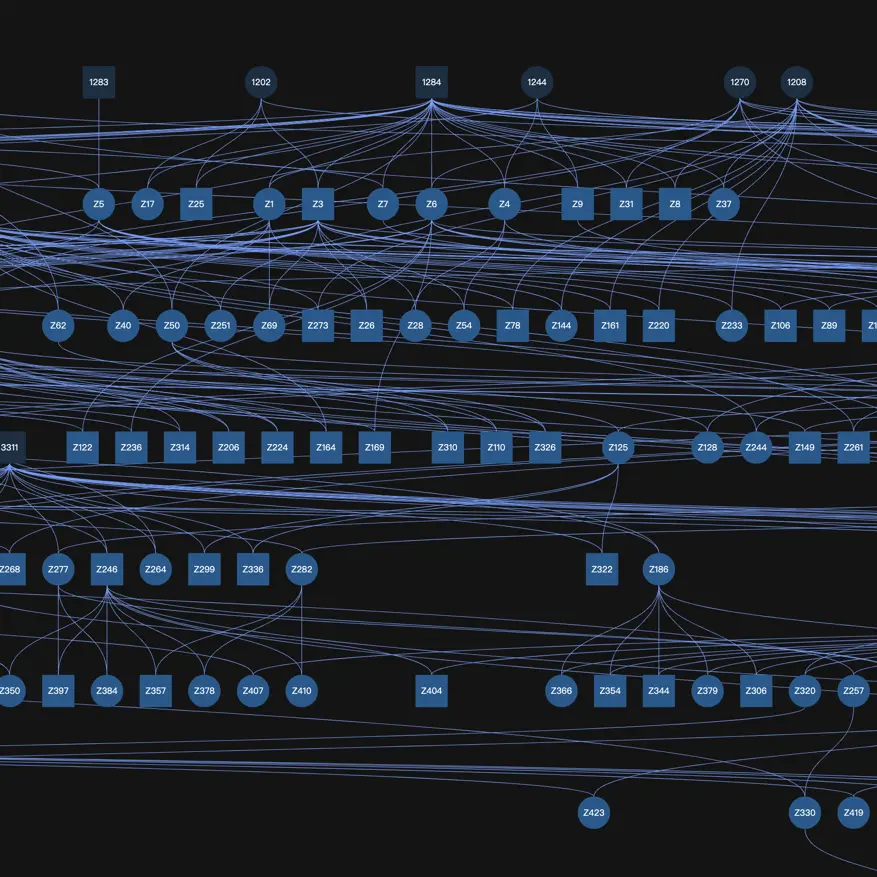
Its core feature is an interactive pedigree visualization system built from studbook records, making parentage and descendant histories easy to review for day-to-day management, research reference, and long-term conservation planning.

Open YEMANET
YEMANET database preview

Links

Research links and media coverage